Empowering Communities Through Public Engagement: Best Practices and Case Examples
Public engagement in the UK often feels like a box to tick rather than a vibrant conversation. You know your community’s voice matters, yet finding clear, inclusive ways to connect can seem out of reach. This guide breaks down practical steps and shares real-life stories—from youth-led murals to cultural fusion events—that show how community engagement best practices create lasting impact. Ready to see how your next event can bring people together in meaningful ways? Check out some inspiring case studies here.
Best Practices for Community Engagement
To truly connect with your community, it’s essential to build genuine relationships. Let’s explore some effective practices that can make your engagement efforts memorable and impactful.
Listen Deeply to Communities
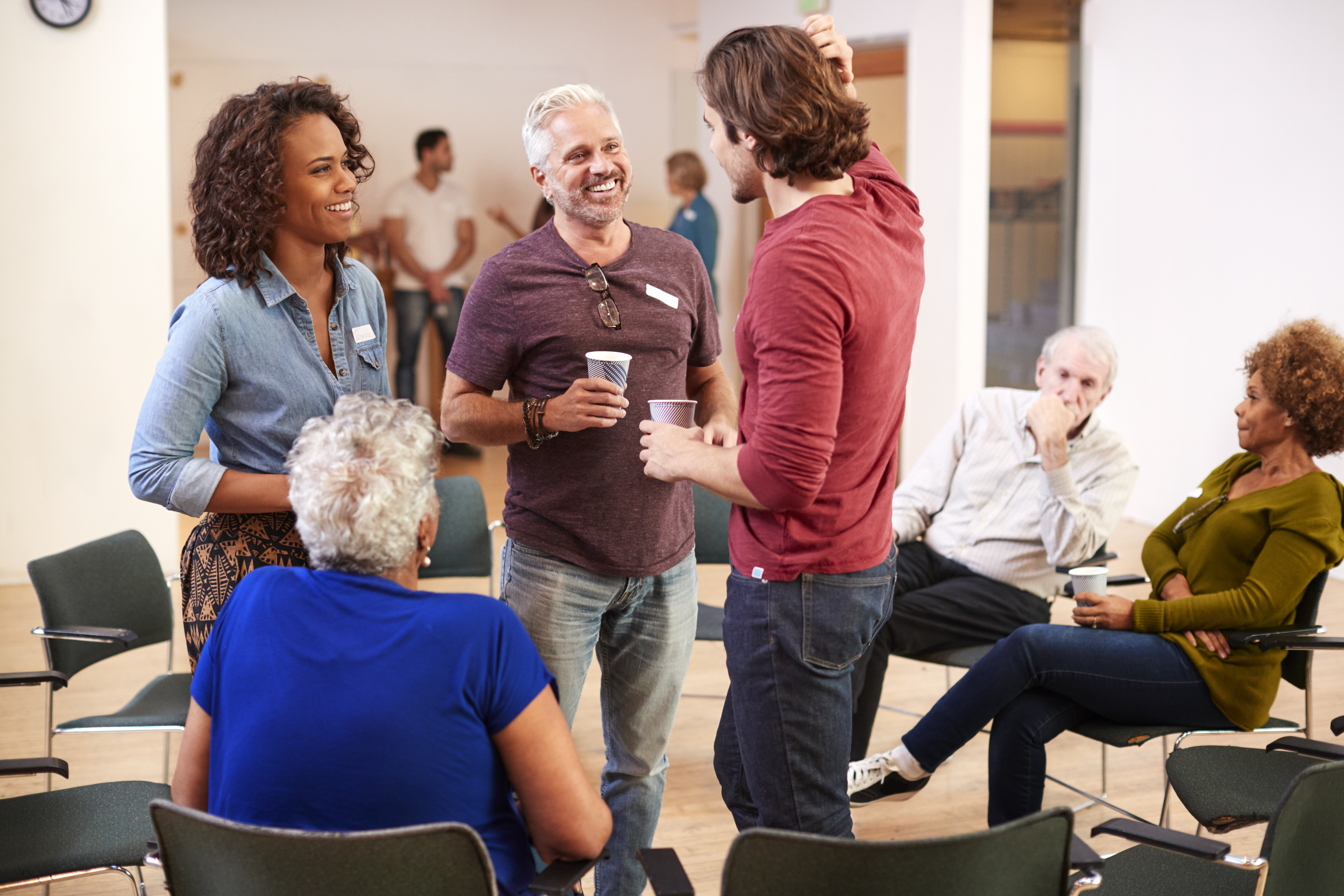
Every community has a unique story. Begin by truly listening to understand their needs and aspirations. Host informal gatherings or virtual meetups where members can freely express their thoughts. This approach not only fosters trust but also reveals insights that standard surveys might miss.
Consider the impact of a local council that scheduled monthly “Coffee with the Council” mornings. Here, residents shared ideas and concerns directly with decision-makers, leading to actionable feedback and community-driven solutions. The key takeaway? Listening builds bridges and solutions.
Co-Design and Co-Creation
Engaging your community in designing solutions ensures the outcomes truly reflect their needs. Co-design workshops invite members to collaborate from the start, fostering a sense of ownership and empowerment.
Imagine a community space transformed into a vibrant park through resident-led brainstorming sessions. Participants helped plan and prioritize features, from playgrounds to community gardens. This shared effort not only resulted in a beloved local landmark but also strengthened community bonds. Involve them, and they’ll invest in the outcome.
Stakeholder Mapping Techniques
Understanding who holds influence in your community is vital. A simple stakeholder map can highlight key players and their connections, guiding you in forming strong partnerships.
Start by identifying groups or individuals with shared interests or goals. This method has helped organisations align resources effectively, ensuring a unified approach to challenges. Mapping reveals allies you never knew you had.
Case Studies in Action
Real-world examples illuminate how these practices can lead to tangible changes. Let’s delve into cases that showcase the power of community engagement.
Youth-Led Mural Sprint Success
In one town, a group of teenagers transformed a drab wall into an inspiring mural. With guidance from local artists and input from residents, they created a piece that reflected the community’s spirit.
This initiative not only beautified the area but also empowered the youth, showcasing their creativity and dedication. The mural became a symbol of unity, proving that youth engagement can drive positive change.
Cultural Fusion Events in Scotland
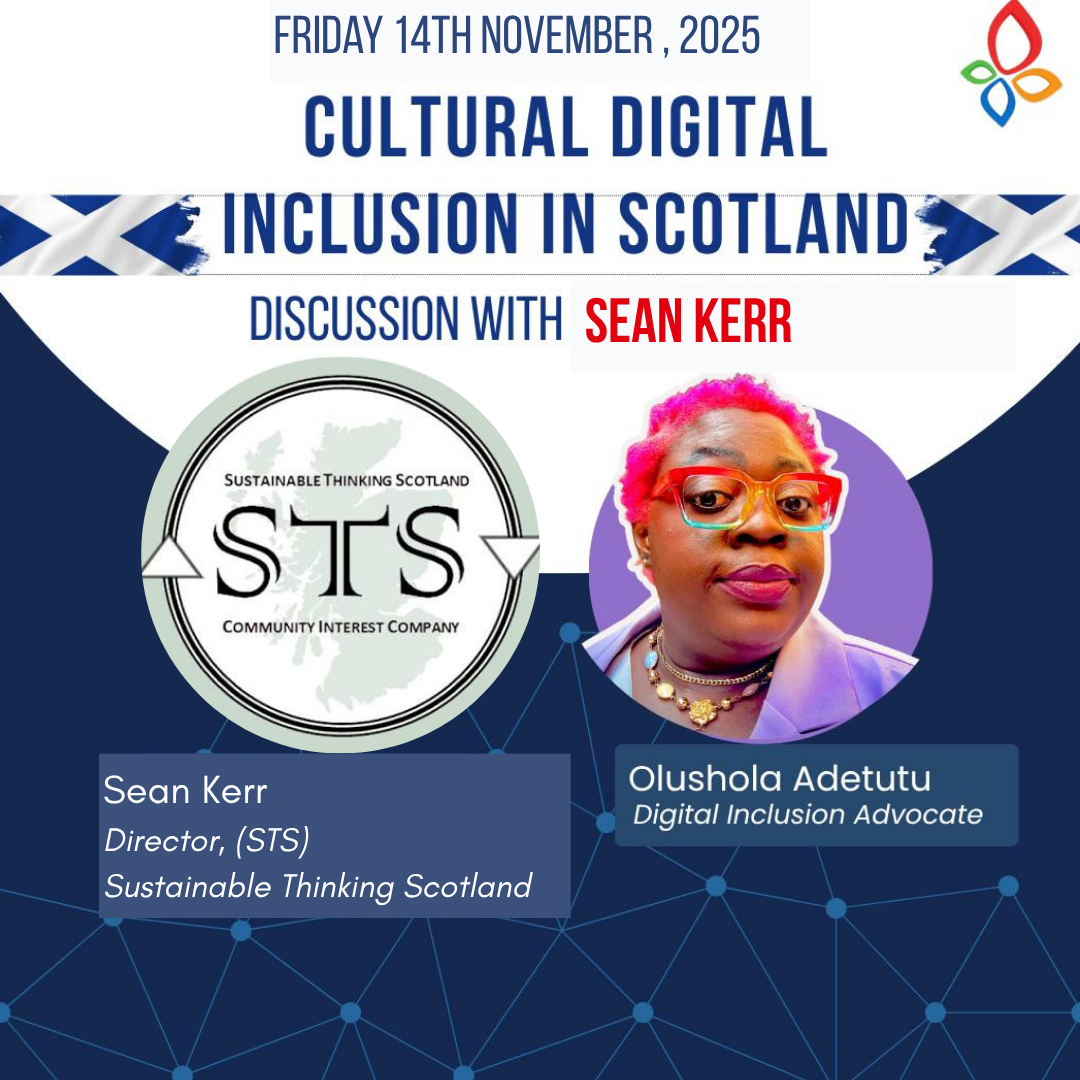
Scotland has seen a rise in events that celebrate diverse cultures, bringing communities together through music, food, and art. These events are more than just celebrations; they’re platforms for learning and connection.
One such event featured traditional Scottish music alongside African drum performances, delighting attendees and fostering cross-cultural appreciation. Cultural fusion breaks barriers and builds connections.
Market Revitalisation through Social Listening
By harnessing social media insights, a local market revitalised its offerings to better meet community demands. Regular online polls and feedback sessions shaped new vendor selections and event themes.
This responsive approach not only boosted market attendance but also reinforced the value of listening to your audience’s voice.
Empowering Your Engagement Strategy

With these best practices and examples in mind, it’s time to empower your strategy for more inclusive and effective engagement.
Building Inclusive Event Plans
Create events that are welcoming to all by considering accessibility needs and cultural sensitivities. Diverse programming ensures everyone feels represented and valued.
For instance, offering sign language interpreters and multilingual materials can make a significant difference. Inclusivity invites participation from everyone.
Digital Engagement Strategy Tips
In our digital age, online platforms are key. Engage with your community through interactive content like live Q&As or virtual town halls. These tools can expand your reach beyond physical boundaries.
Remember, consistency is crucial. Regular updates and active responses build an online community that feels valued and heard. Digital presence strengthens real-world connections.
Community Mapping Templates and Tools
To aid your efforts, use templates for mapping local assets and stakeholders. These tools simplify complex networks, ensuring no valuable connection is overlooked.
Explore resources like community mapping templates. They provide structure to your strategy, guiding you toward impactful outcomes. Tools turn plans into action.
🌍✨
By integrating these practices, case studies, and strategic tips, your community engagement efforts can create real, lasting change. Embrace the journey, and watch as your initiatives flourish and connect on a deeper level.
Ready to make your event truly inclusive? Book your consultation today.