
Plan a Cultural Fusion Event: A Step-by-Step Guide to Celebrating Heritage
Planning a cultural fusion event that truly honours heritage can feel overwhelming. You want your event to celebrate diversity, engage your community, and leave a lasting impression—but knowing where to start isn’t easy. This guide breaks down inclusive event planning into clear, manageable steps so you can create authentic UK community events that resonate deeply. Let’s map out your path to a vibrant heritage celebration together. For more insights, check out our tips on crafting unforgettable cultural fusion events here.
Designing Your Cultural Fusion Event
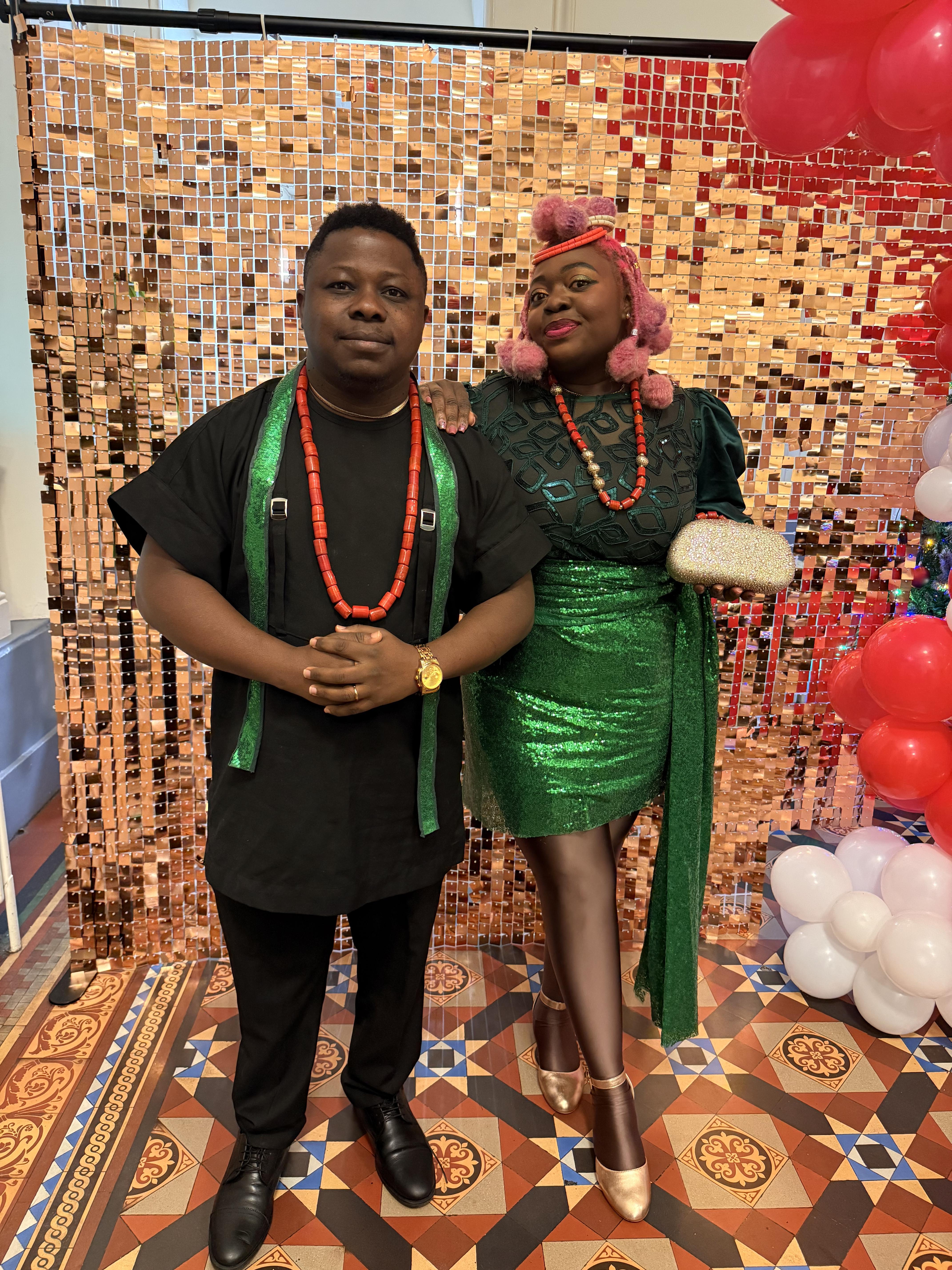
Creating a cultural fusion event starts with a solid foundation. Let’s dive into the essentials that shape your celebratory gathering.
Understanding Cultural Fusion Events
Cultural fusion events blend different traditions into a single, vibrant celebration. They highlight the beauty of diversity. Imagine a festival where Scottish bagpipes meet Afrobeat rhythms. Such events are not only fun but also educational. They help attendees appreciate different cultures. This builds stronger community bonds. By showcasing a variety of traditions, you also show respect and inclusivity. You honour the roots of different cultures, creating a space where everyone feels valued.
Setting Clear Objectives
To successfully plan your event, know what you want to achieve. Start by asking yourself: What is the main goal? Is it to celebrate a specific culture or to promote unity? Maybe it’s both. Write down these goals. This list will guide your decisions. For example, if your goal is to educate, you might include workshops. If it’s about celebration, focus on performances. Clear objectives keep your planning focused and purposeful. They also help measure your event’s success later.
Crafting an Inclusive Atmosphere
An inclusive atmosphere invites everyone to participate. Think about your audience and their needs. Ensure your venue is accessible. Provide materials in multiple languages. Offer diverse food options. Engage with community leaders to understand what inclusion means for them. Creating this welcoming environment shows you care about every attendee. It also sets the tone for a respectful and engaging event. Remember, when people feel included, they engage more deeply.
Engaging Your Community

Now that you’ve laid the groundwork, it’s time to involve the community. Engagement is key to a successful event.
Building a Social Media Promotion Plan
Social media is a powerful tool for reaching your audience. Start by identifying the platforms your community uses most. Create a content calendar. Share stories, behind-the-scenes footage, and event highlights. Use hashtags to increase visibility. Encourage your followers to share posts. This builds excitement and anticipation. Remember, visuals are key: use vibrant photos and videos to capture attention. A well-planned social media strategy boosts attendance and engagement.
Collaborating with Local Talent
Local talent brings authenticity to your event. Reach out to artists, musicians, and performers in your community. They add unique flair and attract local attendees. Consider hosting an open call for performances. This encourages wider participation. Collaboration also strengthens community ties. People feel a sense of pride when their talents are showcased. Plus, local talent often brings their own following, increasing your event’s reach and impact.
Creating a Public Engagement Strategy
Engagement extends beyond the event itself. Plan activities that encourage interaction. Workshops, panel discussions, and Q&A sessions are great options. Consider partnering with local groups for wider reach. This collaboration builds community support. Also, gather feedback during and after the event. Use surveys or feedback forms. This data helps improve future events. When people feel heard, they are more likely to participate again.
Delivering an Unforgettable Experience

With your community engaged, focus on delivering an experience that leaves a lasting impression.
Navigating Sponsorship Proposals
Sponsors can provide essential resources for your event. Start by identifying potential sponsors. Look for businesses that align with your event’s values. Tailor your proposal to highlight mutual benefits. Explain how their support enhances the event. Offer them visibility opportunities, like banner placements or speaking slots. Building these partnerships not only helps with funding but also adds credibility to your event.
Ensuring Accessible Events in the UK
Accessibility is crucial for inclusive events. Choose venues that meet accessibility standards. Consider transportation options for those with mobility challenges. Provide sign language interpreters if needed. Also, ensure your event materials are accessible. This can mean providing large print or audio versions. Accessibility shows your commitment to inclusivity. It allows everyone to participate fully, enhancing the overall experience.
Measuring Success and Impact 🎉
After the event, it’s essential to evaluate its success. Review your initial objectives. Did you meet them? Use surveys and feedback to gather attendee impressions. Track social media engagement and attendance numbers. These metrics provide insights into what worked well and what can be improved. Celebrate your successes, but also note areas for growth. Continuous improvement ensures each event is better than the last.
By following this guide, you can create cultural fusion events that truly honour heritage and engage your community. Embrace the journey, and watch your event leave a meaningful impact.
Ready to make your event truly inclusive? Book your consultation today.