
Inclusive Marketing that Travels Well: A UK Guide to Cross-Cultural Campaigns
You’ve crafted campaigns that tick every box—but the message still misses. That’s because inclusive marketing isn’t just about diversity on paper; it’s about weaving real culture into every word, image, and interaction. This guide walks you through creating cross-cultural campaigns that speak to the heart of UK communities, helping your brand build trust, spark engagement, and celebrate every voice. Ready to connect beyond the surface? Learn more about multicultural marketing here.
Crafting Inclusive Campaigns
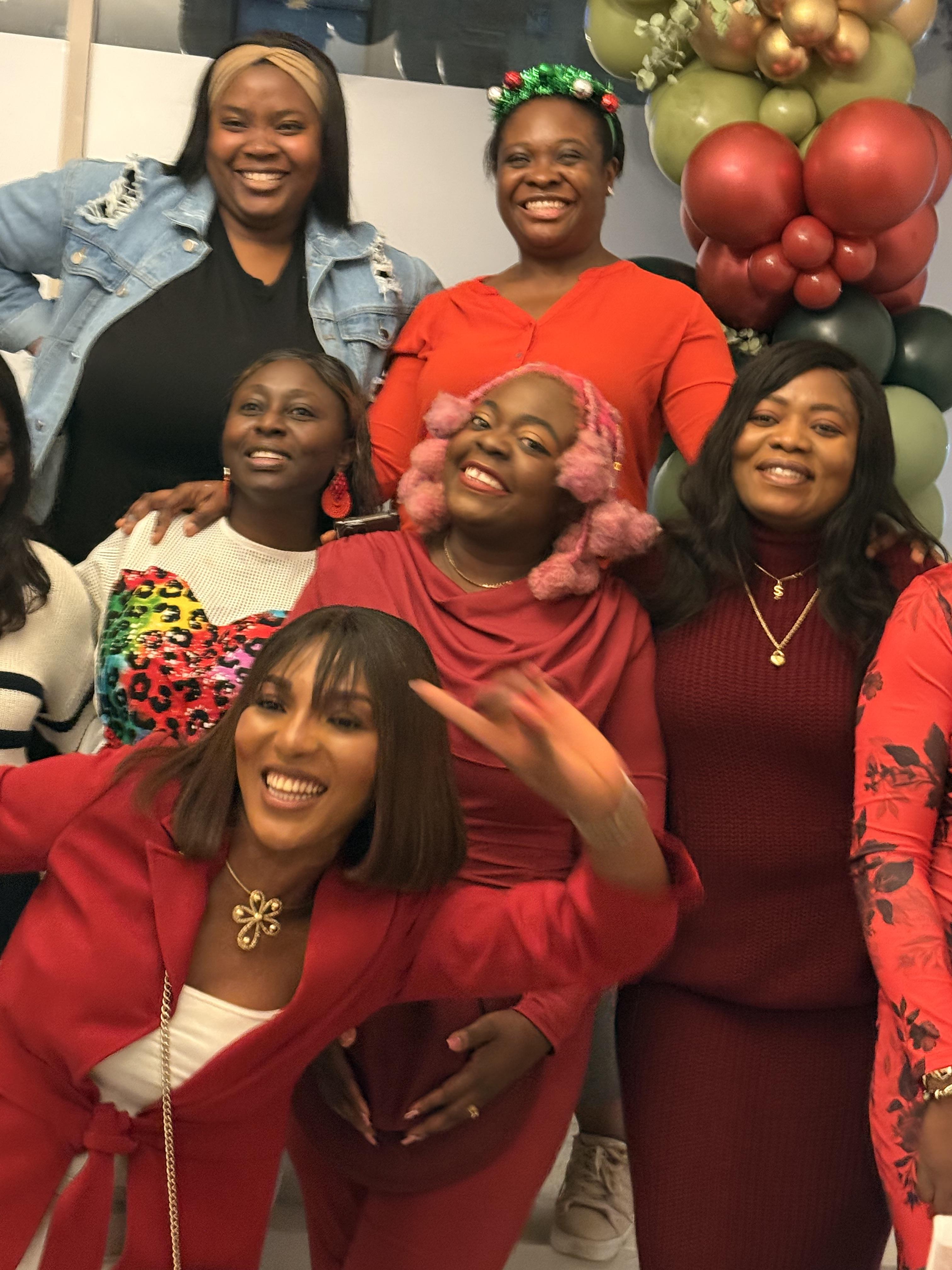
Every brand dreams of reaching the hearts of diverse audiences. But how do you actually make that connection in the UK?
Understanding UK Audiences
Knowing who you’re speaking to is half the battle. The UK boasts a rich tapestry of cultures, each with unique traditions and values. When you target these audiences, you’re not just increasing reach—you’re fostering loyalty. Start by digging into local demographics. Who lives in the communities you serve? What languages do they speak? What festivals do they celebrate? This knowledge forms the bedrock for any genuine engagement.
Next, consider the power of local insights. By collaborating with community leaders or cultural ambassadors, you can learn what truly matters to your audience. For instance, a campaign in London might highlight different cultural elements than one in Manchester. The quicker you adapt, the stronger your message becomes. Explore more about understanding multicultural marketing.
Empathy-Driven Cultural Insights
Empathy transforms marketing from transactional to relational. To resonate, your campaigns need to reflect the real lives of your audience. This isn’t about ticking boxes; it’s about authenticity. Share stories that matter. If your product empowers, tell how it changes lives. If it celebrates heritage, show how it keeps traditions alive.
Here’s a key insight: most people think they know their audience, but assumptions can mislead. Dive deeper by organising focus groups that encourage honest dialogue. These discussions can reveal nuances that data can’t. The longer you listen, the clearer your path to genuine connection will become. Discover effective ways to measure inclusive marketing impact.
Co-Creation and Community Partnerships
Creating with, not just for, communities leads to campaigns that truly resonate.
Building Authentic Collaborations
Authentic partnerships breathe life into your campaigns. By involving community members, you ensure your message is not only heard but felt. Start by identifying mutual goals—what do you both want to achieve? Whether it’s a local event or a new product launch, shared objectives create a strong foundation.
Engage partners early in the process. Their input can guide development, ensuring your campaign reflects true community values. Involve local artists, musicians, or influencers to co-create content that resonates. This collaboration not only enriches your message but also bolsters your brand’s credibility. Remember, the best partnerships feel like family. Read more about cross-cultural marketing strategies.
Community Engagement Strategies
Engaging a community means more than just talking to them; it means inviting them into the conversation. One effective strategy is to host cultural events that showcase your commitment to diversity. These events can be platforms for storytelling, music, or art, all reflecting the vibrant cultures you serve.
Consider launching social media challenges that encourage user-generated content. This creates a dialogue and makes your audience feel part of the brand journey. It’s a simple yet powerful way to foster connection and trust. Here’s the key insight: community participation drives loyalty. When people see their stories in your campaigns, they become your brand ambassadors.
Inclusive Copywriting and Design

Words and visuals have the power to unite or divide. Make sure your brand message is as inclusive as your intentions.
Writing for Diversity and Inclusion
Words matter. They shape perceptions and build bridges. When crafting content, always consider the diverse audiences you’re speaking to. Use language that is respectful and inclusive. Avoid stereotypes and clichés, opting instead for narratives that celebrate individuality and community.
To ensure your writing is inclusive, seek feedback from diverse groups. This helps in catching biases you may not be aware of. And remember, words that empower create lasting impact. By using inclusive language, you open doors to deeper connections with your audience. Learn more about best practices in inclusive marketing.
Accessible Design Principles ✨
Design should invite everyone in, not leave anyone out. Accessibility ensures your message reaches all, regardless of ability. Start by using high-contrast colours for readability and alt text for images. These small changes can make a big difference.
Consider your audience’s diverse needs. Does your website offer translations? Are your videos captioned? These features not only improve accessibility but also enhance user engagement. The longer your audience stays, the deeper their connection with your brand.
By prioritising inclusive design, you show that your brand cares about every user’s experience. It’s a testament to your commitment to inclusion and a powerful tool in building a loyal community.
Ready to make your event truly inclusive? Book your consultation today.