
From Hello to Harmony: Public Engagement that Builds Trust and Cultural Understanding
Most public engagement efforts miss the mark when it comes to building genuine trust across diverse communities UK-wide. You want your initiatives to resonate, not just tick boxes. This post guides you through practical public engagement planning that honours cultural understanding and sparks real connection—perfect for small businesses, CICs, and community organisations ready to make a lasting impact. Read more.
Building Trust with Public Engagement
In today’s diverse world, connecting with varied communities is key to effective public engagement. This approach fosters genuine trust and understanding.
Cultural Understanding in Diverse Communities
Grasping cultural nuances can be your secret weapon. It’s about more than language; it’s about traditions, values, and everyday life. Start by learning the basics of each community. For example, when engaging with a new group, observe their cultural celebrations and gather insights. Here’s why it matters:
-
Empathy builds trust: Understanding a community’s background helps in crafting messages that resonate.
-
Respect opens doors: When people see you respect their culture, they’re more likely to engage with your efforts.
Explore this guide to inclusive community engagement for more insights on connecting authentically with diverse communities.
Inclusive Events for Social Inclusion
Creating an event that welcomes everyone can be transformative. It starts with considering every detail, from the venue to the activities. Here’s how you can ensure inclusivity:
-
Accessibility: Choose venues that are wheelchair accessible and easy to reach by public transport.
-
Diverse representation: Include cultural performances and exhibits that reflect the community’s makeup.
-
Feedback loops: Encourage participants to share their thoughts on what worked and what didn’t.
By designing events with inclusivity in mind, you foster a sense of belonging and community unity. Remember, an inclusive event is not just about attendance; it’s about engagement and connection.
Effective Engagement Strategies

Now that you understand the importance of culture, let’s delve into effective strategies to engage communities. These methods will enhance your initiatives’ reach and impact.
Stakeholder Mapping and Co-Design Workshops
Mapping stakeholders is like drawing a roadmap to success. Identify key players who influence or are affected by your project. Why does this matter? Because knowing who’s involved helps tailor your approach.
-
Prioritise relations: Focus on building strong ties with primary stakeholders first for greater impact.
-
Co-design workshops: Invite stakeholders to design solutions with you. This collaboration ensures the outcomes meet community needs.
A study on equitable engagement highlights how co-design workshops enhance community buy-in and satisfaction.
Accessible Communications and Multilingual Outreach
Clear communication is the backbone of engagement. Ensure your messages are accessible to everyone, regardless of language or ability. Here’s how:
-
Multilingual materials: Translate communications into the predominant languages within the community.
-
Accessible formats: Use large print, audio descriptions, and captions to reach people with disabilities.
By making your communications accessible, you not only broaden your audience but also demonstrate respect and inclusion. The result? Stronger community ties and increased trust.
Celebrating Diversity through Cultural Fusion
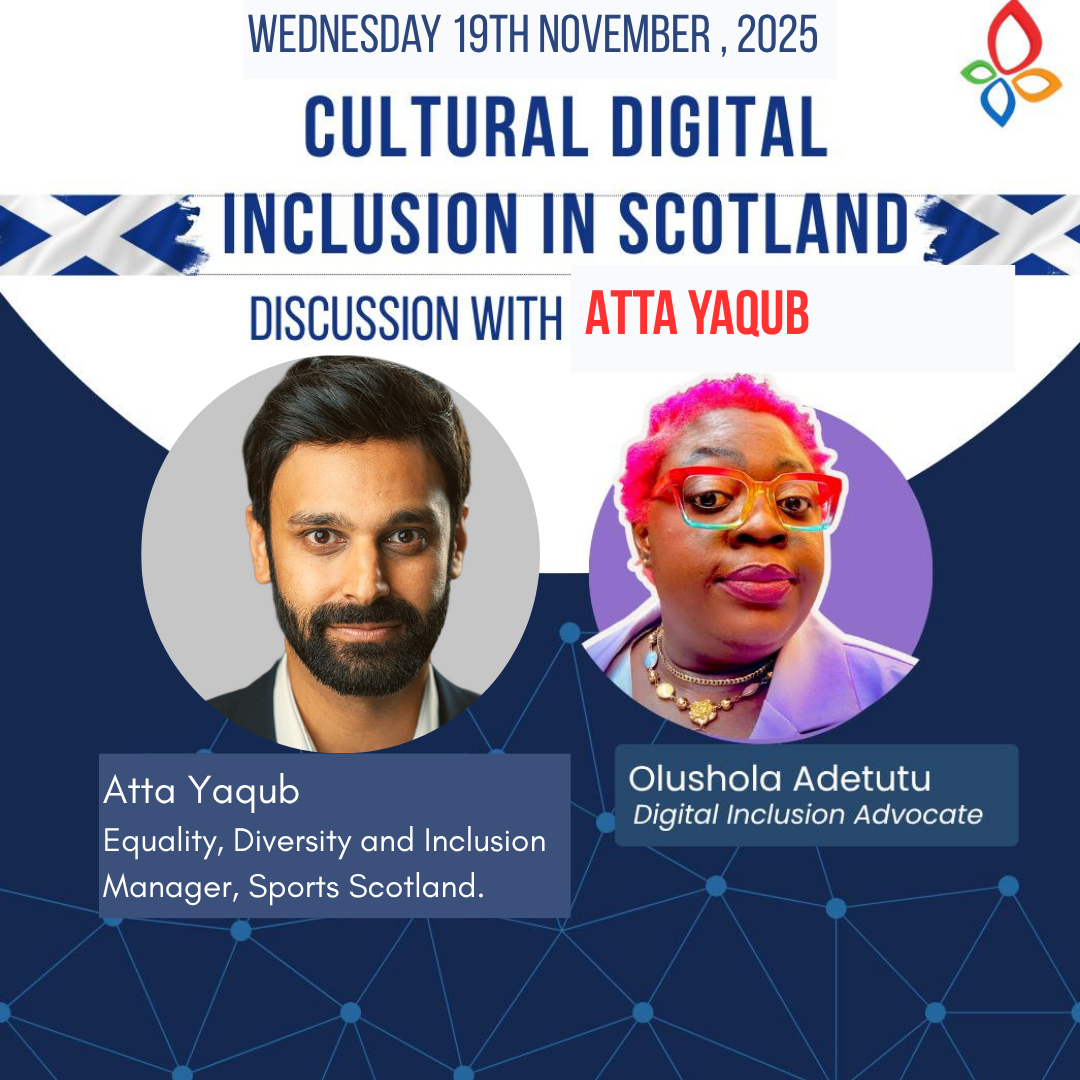
Integrating cultural elements into your engagements can create memorable experiences and strengthen community bonds.
Youth Engagement Programmes and Community Partnerships
Youth are the future, and their engagement is crucial. Create programmes that inspire and involve them. Here’s a quick plan:
-
Mentorship schemes: Pair youth with community leaders to foster learning and growth.
-
Collaborative projects: Encourage joint initiatives that allow youths to showcase their talents and ideas.
Partnering with community organisations can amplify your efforts. Most people think youth engagement is costly, but with the right community partnerships, it can be both affordable and impactful.
Storytelling and Event Curation in the UK
Stories are powerful. They connect us and help us see from different perspectives. Use storytelling to highlight cultural richness and unity.
-
Curated events: Host events that feature storytelling from diverse voices. This could be through theatre, music, or spoken word.
-
Digital storytelling: Use online platforms to share stories and reach wider audiences.
Explore strategies for building trust and transparency in community engagements in this resource.
🎉✨🌍
When you integrate cultural understanding and inclusivity into your public engagement planning, you not only build trust but also foster lasting relationships. Small businesses, CICs, and community organisations can create meaningful connections that resonate across diverse communities, making real impacts in the UK and beyond.