
Planning an event that truly welcomes everyone isn’t just a nice idea—it’s how your small business or community organisation stands out. Yet, creating culturally rich, accessible events can feel overwhelming without clear guidance. That’s why we’ve gathered inclusive event planning tips designed to help you connect deeply with your audience and celebrate diversity with confidence. Ready to turn your next event from a simple welcome into a memorable wow?
Engaging Diverse Audiences

Creating a welcoming atmosphere starts with understanding who you’re inviting. By focusing on audience needs, you make each guest feel valued and involved.
Mapping Your Audience
Who are you planning this event for? Knowing your audience is key. Start by identifying the groups you want to reach. Consider their interests, backgrounds, and any specific needs they might have. This helps you design an event that resonates.
For example, if you’re hosting a cultural festival, think about the different communities in your area. Are there local traditions you can celebrate? Inviting community leaders as participants can be a great way to get insights and ensure representation. Also, collecting feedback from past events can guide you in making improvements.
Remember, successful events reflect the diversity of their audience. By mapping out who you’re serving, you tailor the experience to be more inclusive. This leads to greater engagement and satisfaction.
Inclusive Storytelling for Connection
Stories bring people together. They create a sense of belonging and understanding. When planning your event, think about how you can incorporate stories from diverse voices. This could be through speeches, performances, or even storytelling booths.
Encourage participation by inviting individuals to share their personal experiences. This makes the event more relatable and adds a personal touch. For instance, having a local artist share their journey can captivate and inspire. Also, using visuals and music that reflect different cultures can enhance the storytelling experience.
By weaving diverse stories into your event, you build connections among attendees. People remember stories long after the event ends, making your gathering memorable.
Creating Accessible Events
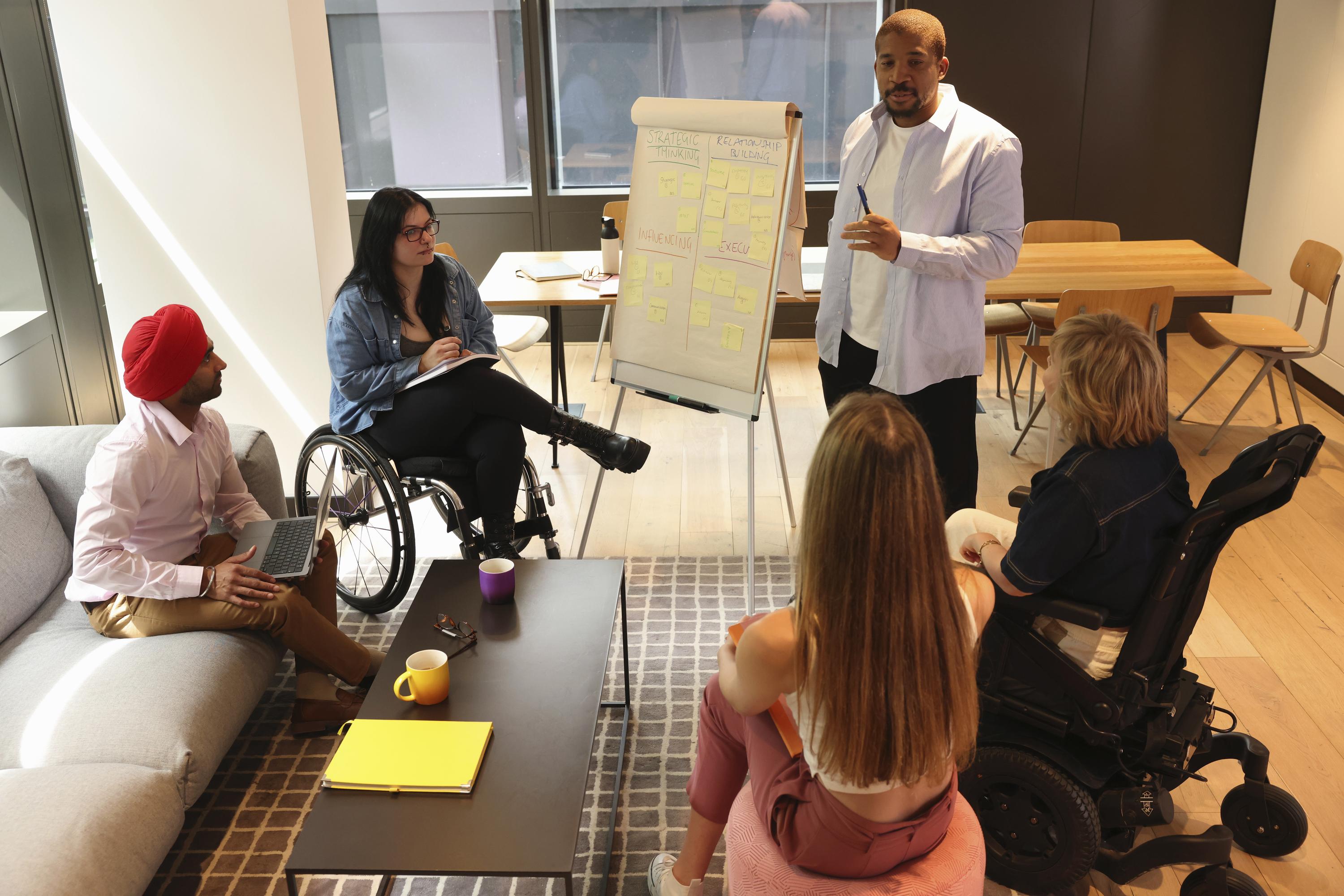
Making your event accessible is crucial. It ensures everyone feels welcome and can participate fully, regardless of their needs.
Event Accessibility Checklist Essentials
Start with an accessibility checklist. This ensures you’ve covered all bases. Include things like wheelchair access, sign language interpreters, and braille materials. Don’t forget about digital accessibility if your event has an online component.
Consider different formats for presentations: visual aids, audio descriptions, and clear signage. Ask your venue about their accessibility features and test them before the event. Additionally, plan for dietary needs by offering a variety of food options.
An accessible event is one where everyone can join without barriers. By focusing on these essentials, you show attendees their comfort and participation matter.
Multicultural Supplier Sourcing
Diversity should extend to your suppliers. Choose vendors who represent various cultures and backgrounds. This not only supports local businesses but enriches your event’s authenticity.
When selecting suppliers, look for those who offer unique cultural products or services. This could include catering, decorations, or entertainment. Meeting with suppliers can provide insight into how they can contribute to your event’s theme.
By sourcing from multicultural suppliers, your event becomes a tapestry of different traditions. This enhances the overall experience for your guests and reflects your commitment to inclusivity.
Promoting Cultural Fusion Events
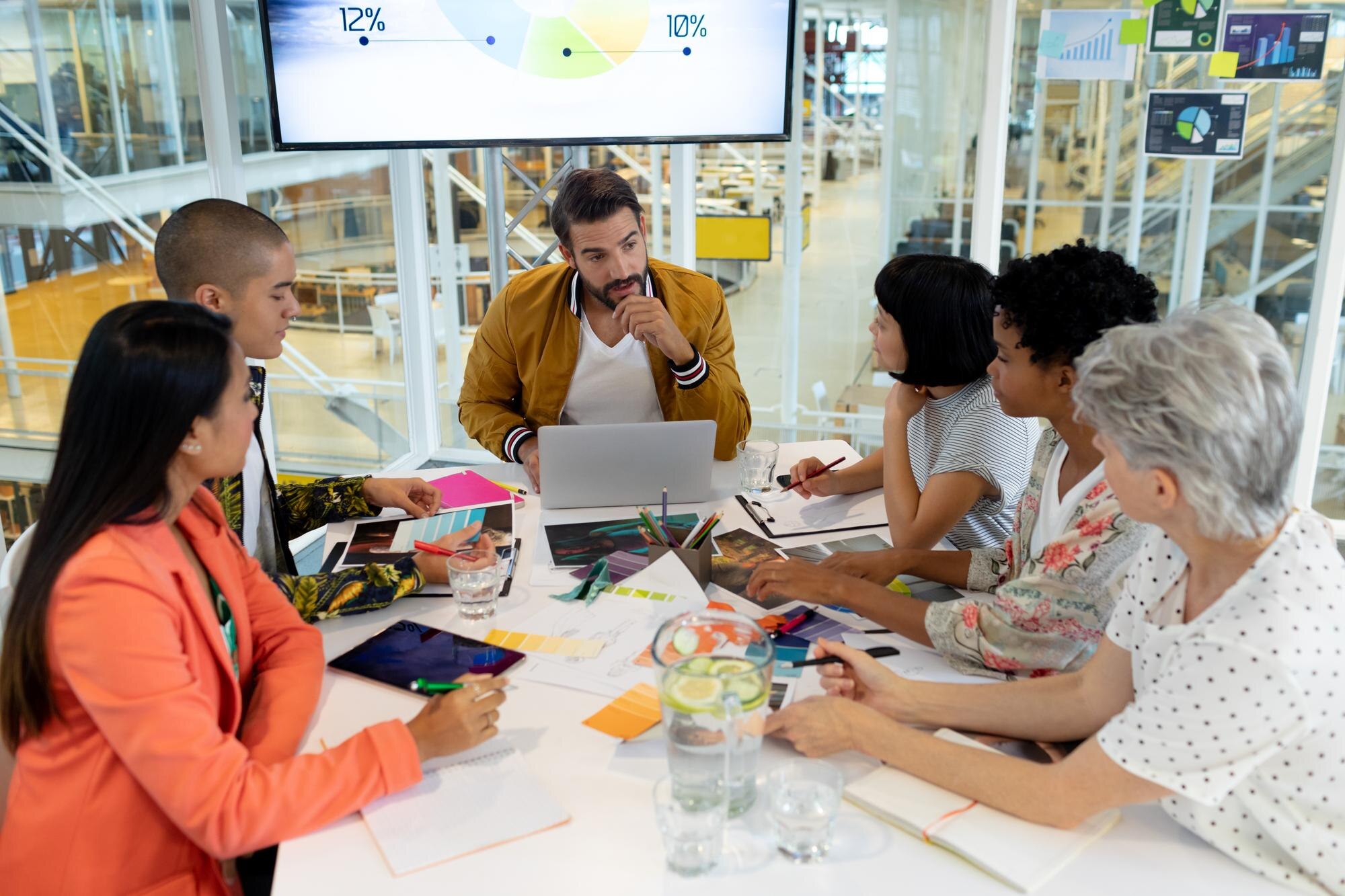
Promotion is key to getting the word out. Highlighting the cultural fusion aspect of your event can attract a diverse audience.
Digital Marketing for CICs
Community Interest Companies (CICs) have unique marketing needs. Digital marketing is a powerful tool for reaching your audience effectively. Start by creating engaging content for social media. This could include behind-the-scenes looks or interviews with participants.
Utilise email newsletters to keep your community informed and excited. Incorporate your primary SEO keyword, like “inclusive event planning tips”, naturally into your content. Collaborate with influencers who align with your event’s values to broaden your reach.
With digital marketing, you connect directly with your audience. It allows you to share your message widely and efficiently, ensuring no one misses out on your event.
Social Inclusion Campaigns
Social inclusion is about making sure everyone feels part of the community. Campaigns that promote this can enhance your event’s impact. Consider creating initiatives that highlight diverse voices and stories from your community.
Engage with local schools, youth clubs, and community centres to spread the word. Partner with organisations that focus on social inclusion to boost your campaign’s credibility. Use your event as an opportunity to educate and inspire attendees about the importance of inclusion.
Social inclusion campaigns show your commitment to diversity. By doing so, you create a lasting impression that extends beyond the event itself.
By following these guidelines, your event will not only be inclusive but also memorable. Your efforts in understanding and celebrating diversity will resonate with attendees, creating a lasting impact.