
How to Design Inclusive Cultural Fusion Events that Resonate with Community Values
Most cultural fusion events miss what truly matters: community values. You want your event to feel authentic, welcoming, and memorable for everyone. This guide shows you how to design inclusive cultural events that bring people together through respect, storytelling, and thoughtful planning. Ready to create something your community will cherish? Let’s start shaping your vision with practical steps that work. For more insights, check out this guide on unlocking the power of cultural fusion events for community engagement.
Designing for Social Inclusion
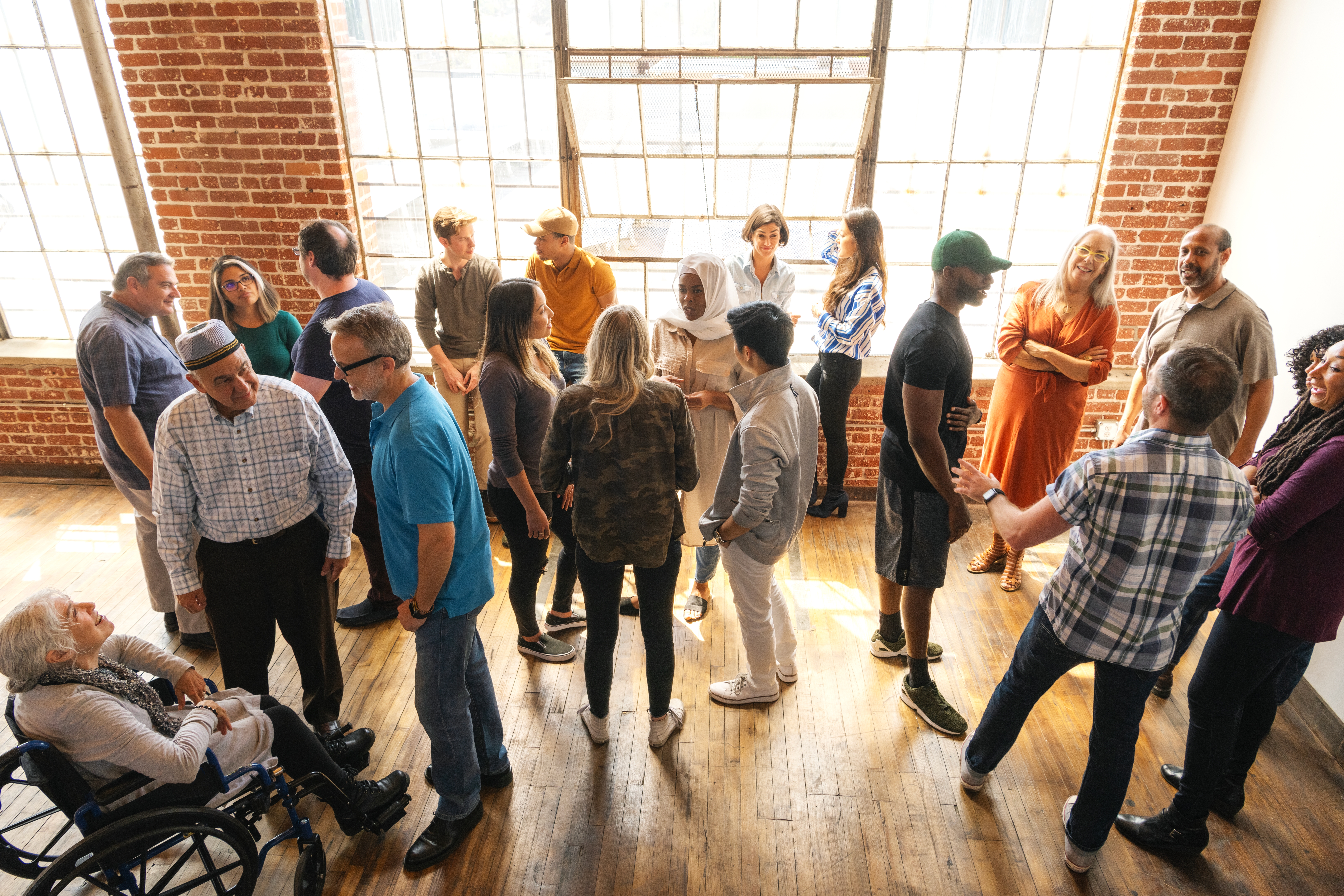
Creating an event that truly includes everyone starts with understanding the people you’re designing for. Let’s dive into how you can ensure your cultural fusion event genuinely embraces social inclusion.
Listen and Map Communities
A successful event begins with listening. Spend time in the community you’re engaging with. Talk to people. Understand their stories, traditions, and needs. This will provide a foundation for your event planning.
Start by organizing informal gatherings. Invite community leaders and local influencers who can share their insights. These sessions will reveal what the community values most. Document these insights carefully. They’ll be your guide as you map out the event. Think of it as creating a map that highlights the cultural landmarks of your community. Such an approach ensures your event aligns with local values and interests.
Community mapping is not just about geography; it’s about understanding cultural and emotional connections. Discover how these connections can shape your event’s theme and activities.
Co-Create with Diverse Voices
Now that you have a map, it’s time to bring people together to create something meaningful. Collaboration is key. Invite a diverse group of people to the table and ensure everyone’s voice is heard.
Organise co-design workshops where participants can contribute ideas. Use these sessions to brainstorm everything from themes to activities. Encourage participants to share their traditions and how they’d like to see them represented. This collaborative process builds ownership and pride in the event.
Consider small focus groups where specific aspects of culture can be discussed in detail. This approach can help you refine ideas and ensure they resonate with everyone. Remember, the goal is to create an event that feels like a tapestry of local culture, woven together by the community itself.
Celebrating Cultural Fusion
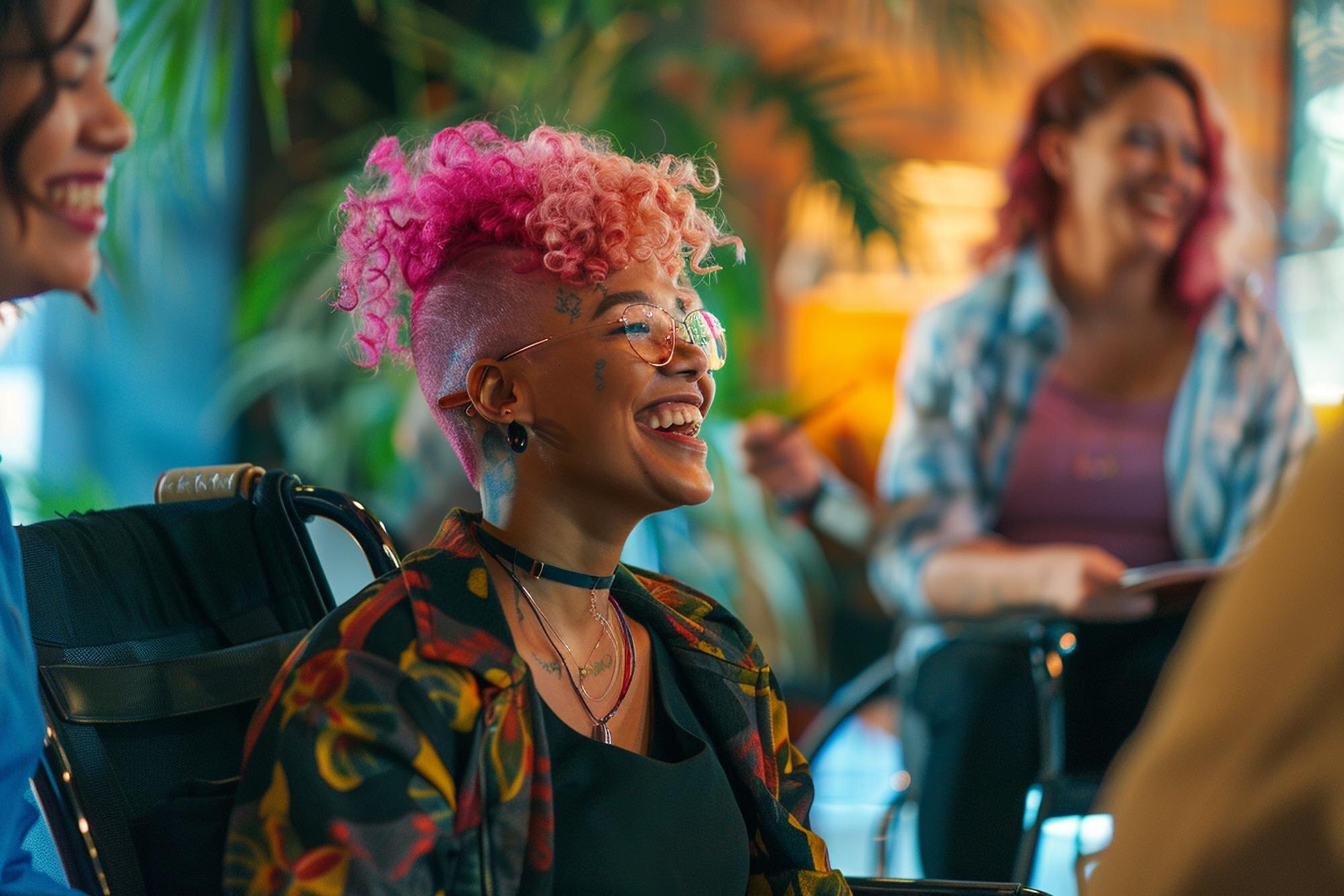
With a solid plan in place, it’s time to focus on the details that will bring your event to life. Celebrating cultural fusion means creating opportunities for connection and storytelling.
Programme for Connection
Your event programme should focus on bringing people together. Start with activities that encourage interaction and dialogue. Think workshops, performances, and shared meals.
Consider hosting a series of events that gradually build up to the main celebration. This could include cooking classes, art exhibitions, or dance workshops. Each event should be a stepping stone, deepening connections and building anticipation.
Make sure to include activities that allow for personal interaction. These could be round-table discussions or small group activities. The aim is to foster a sense of belonging and community spirit.
Heritage Storytelling and Identity
Storytelling is a powerful tool for cultural exchange. Use it to highlight the stories that shape community identities. This enriches the cultural tapestry of your event and gives it depth.
Invite local storytellers to share their tales. These could be folktales, personal stories, or historical narratives. Ensure that the stories represent diverse perspectives within the community. This inclusivity will make your event more meaningful and engaging.
You could also create spaces for attendees to share their own stories. This can be in the form of open mic sessions or story booths. Such initiatives encourage participation and help attendees connect on a personal level.
Prioritising Accessibility and Engagement
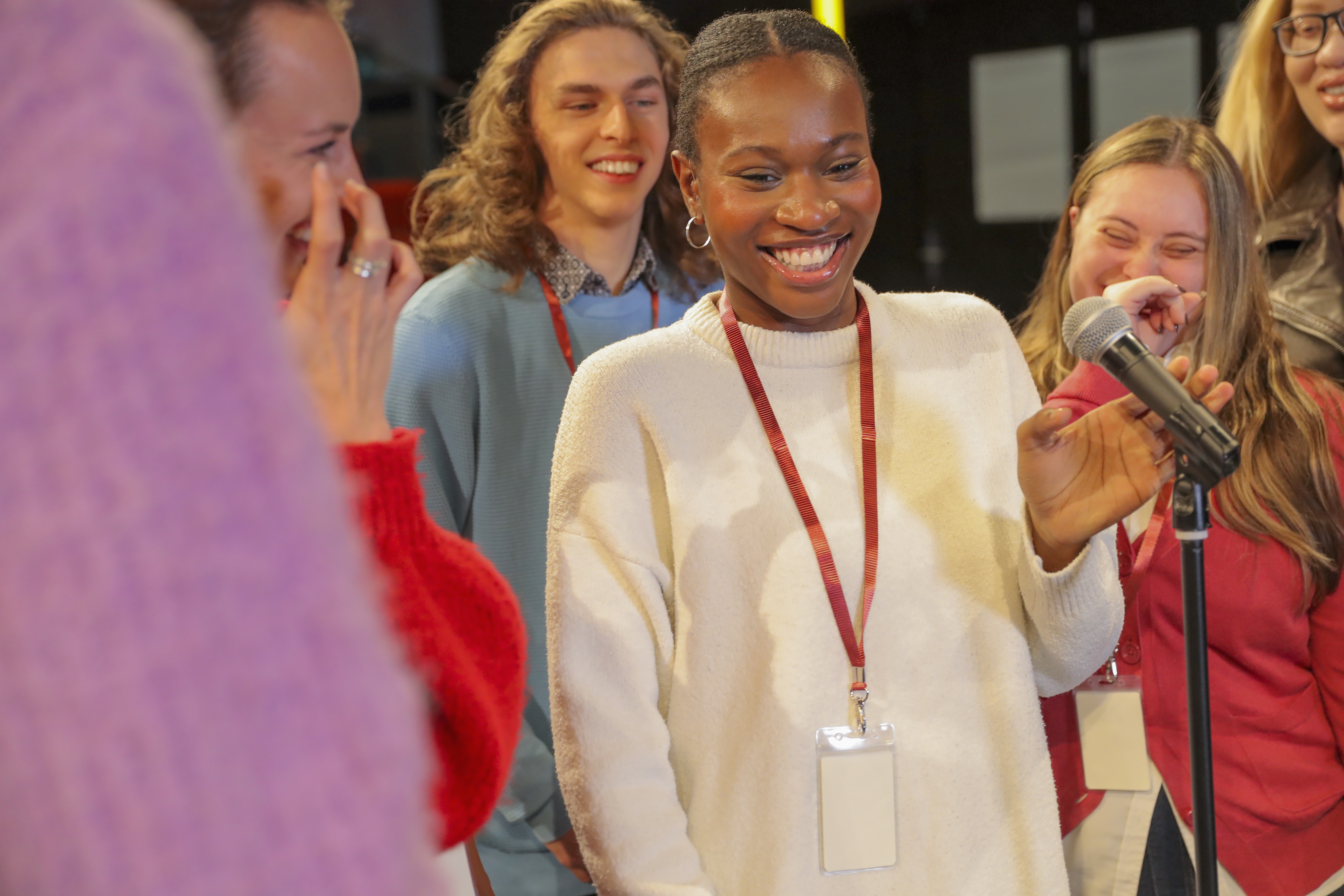
To ensure your event is truly inclusive, focus on making it accessible and engaging for everyone. Here are some key strategies to consider.
Accessible Event Design Essentials
Accessibility is about removing barriers. It starts with choosing the right venue. Ensure it’s easy to navigate for everyone, including those with mobility challenges.
Consider sensory-friendly elements in your event design. This could include quiet spaces for those who need a break from the noise. Offer materials in different formats, such as braille or audio guides. These small adjustments can make a big difference.
Also, think about language accessibility. Provide translations or interpreters if needed. This ensures everyone can fully participate and enjoy the event.
Community Engagement Strategy and Legacy Building
Your event should be more than a one-time gathering. It should create lasting impact and connections. Develop a strategy for ongoing engagement with the community.
Consider setting up a post-event forum or discussion group. This keeps the conversation going and helps build a legacy. Encourage participants to share feedback and ideas for future events. This continuous engagement strengthens community ties and ensures your event remains relevant.
Finally, document your event. Capture stories and moments that highlight your community’s diversity and strength. Share these stories widely to inspire others and celebrate what you’ve achieved together.
🌟🎉
By following these steps, you’re not just planning an event; you’re creating a community celebration that honours diversity and fosters inclusion. Let these insights guide you in crafting an experience that will be cherished by all who attend.
Ready to make your event truly inclusive? Book your consultation today.