
Everyone Welcome: Inclusive Event Planning Ideas to Engage Diverse Audiences
Inclusive event planning UK often feels like a maze of checklists and compromises. You want every guest to feel truly welcome, but where do you start? Let’s explore practical ideas that bring diverse audiences together with warmth and respect—ideas that make your event a memorable celebration of culture and connection. DWAD Pro LTD shows you how to create cultural fusion events that speak to everyone’s story. For more insights, check out this resource.
Engaging Diverse Audiences
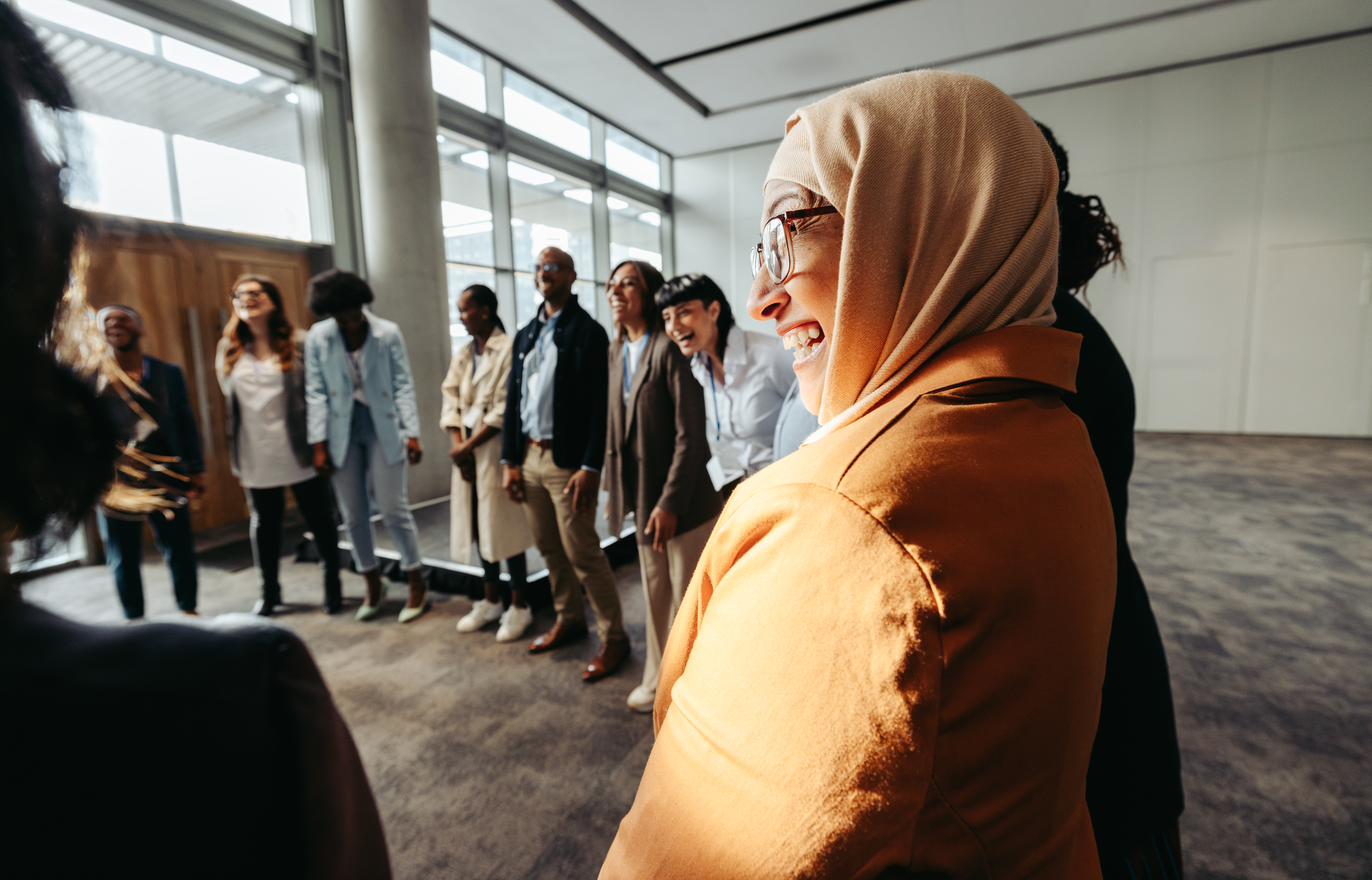
Engaging a diverse audience means crafting events that speak to various cultures, perspectives, and needs. Here’s how you can start planning cultural fusion events that resonate with everyone.
Creating Cultural Fusion Events
Imagine an event where every guest feels at home, a place where cultures blend beautifully. Cultural fusion events do just that by blending traditions, foods, and music. Start by incorporating elements from different cultures, such as diverse food stations or music from around the world. This not only enriches the experience but also fosters a sense of belonging.
Next, consider storytelling as a tool. Stories bridge cultural gaps and create shared understanding. Invite speakers from different backgrounds to share their personal stories or cultural insights. This not only educates but also connects your audience on a deeper level. Remember, the goal is to celebrate diversity by creating an inclusive atmosphere.
Learn more about crafting inclusive events.
Community Engagement Strategies
Building strong community ties is vital for successful events. Think of your event as a platform for community engagement. Start by collaborating with local cultural groups or community leaders. They can provide valuable insights and help reach wider audiences.
Engage your community through interactive activities. Consider workshops or panels where attendees can actively participate and share their views. This not only encourages dialogue but also makes the event more dynamic. Remember, engaging the community means listening as much as speaking.
For tips on engaging your community, check out this guide.
Accessible Events Checklist
No event is truly inclusive without accessibility. Ensure your event is welcoming to everyone by following an accessible events checklist. Start by assessing the venue: Is it wheelchair accessible? Are there ramps and elevators available?
Next, consider communication needs. Offer materials in multiple formats, such as large print or braille. Provide options for those with hearing impairments, like sign language interpreters or real-time captioning. An accessible event shows respect and consideration for all guests.
For more on accessibility, explore this resource.
Inclusive Event Planning Tips

Let’s delve into specific tips for making your event planning more inclusive, addressing faith, neurodiversity, and LGBTQ+ considerations.
Faith-Inclusive Scheduling
When planning an event, consider the diverse faiths of your guests. Faith-inclusive scheduling means being mindful of religious holidays and practices. Before setting a date, research major religious observances and avoid scheduling conflicts. This shows respect for your guests’ beliefs and increases attendance.
Incorporate prayer or reflection spaces if your event spans multiple days. Offering these spaces demonstrates sensitivity and foresight. Also, consider dietary restrictions linked to faith, offering a variety of food options to accommodate everyone.
Neurodiversity-Friendly Events
Creating a welcoming atmosphere for neurodiverse individuals is crucial. Start by offering quiet zones where attendees can retreat if they feel overwhelmed. These areas should be free from noise and bright lights, providing a calming space.
Use clear and simple signage to help navigate the event space. Visual guides and schedules can assist in reducing anxiety. Training staff on how to support neurodiverse guests can also make a significant difference, ensuring everyone feels understood and respected.
LGBTQ+ Inclusive Events UK
Creating an inclusive environment for LGBTQ+ individuals starts with thoughtful planning. Ensure your event uses inclusive language and signage. Gender-neutral bathrooms are a simple yet effective way to show inclusivity.
Invite speakers or performers from the LGBTQ+ community to share their stories. Representation matters, and seeing diverse voices on stage can be empowering. Also, consider partnering with LGBTQ+ organisations for your event to show genuine support and solidarity.
Enhancing Event Accessibility
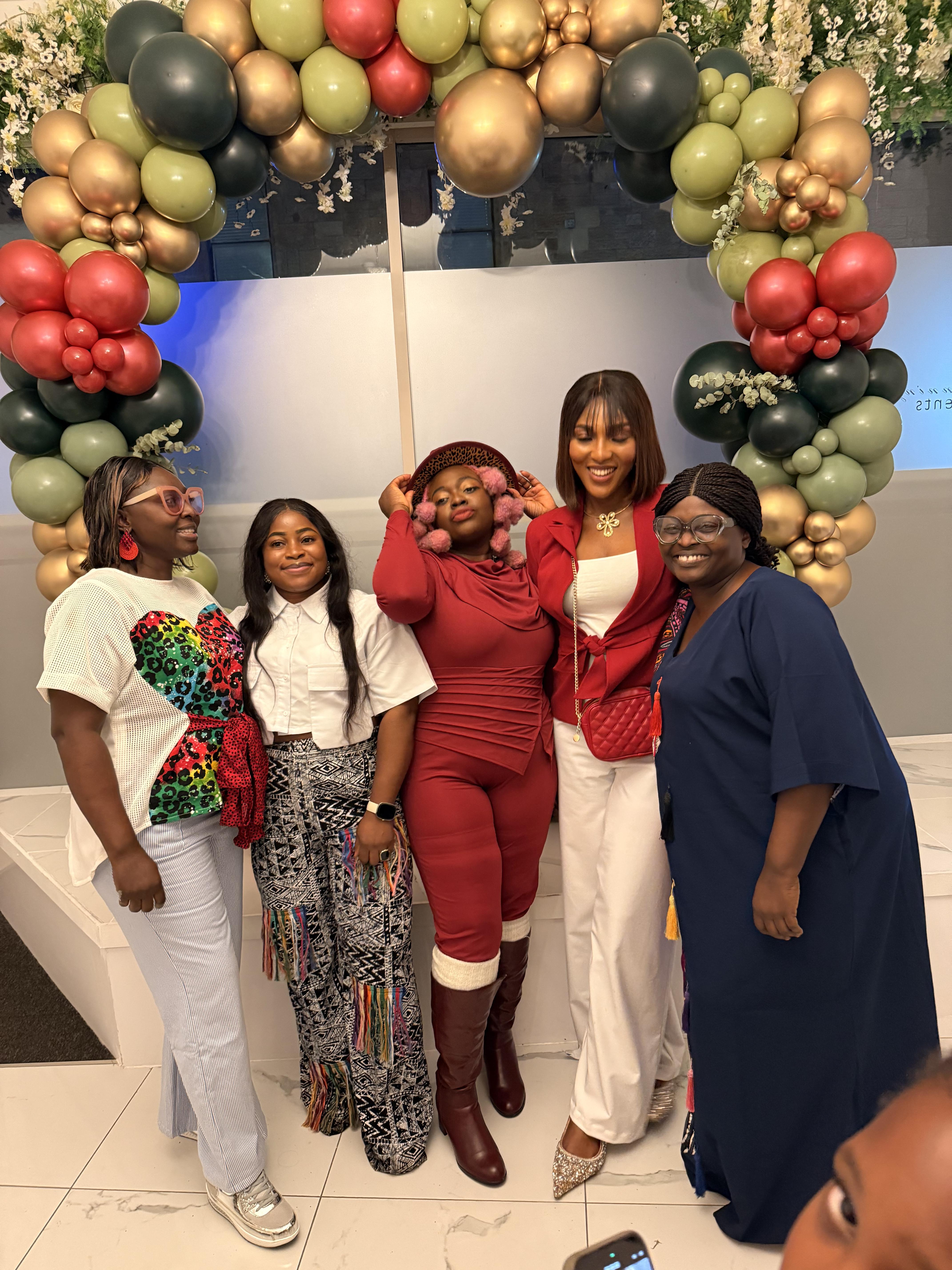
Enhancing accessibility ensures your event welcomes everyone. Let’s explore how to incorporate wheelchair access, BSL interpreters, and sensory-friendly zones.
Wheelchair Access Guidelines
Ensuring your event is wheelchair accessible is a fundamental step. Check that entrances, paths, and seating areas are manageable for those using wheelchairs. Make sure there are ramps or elevators where necessary.
Provide accessible parking close to the venue and ensure restrooms are also accessible. These steps show you value all your guests and have considered their needs thoroughly.
BSL Interpreters and Captioning
Communication is key at any event, so offer BSL interpreters and captioning services. This ensures those with hearing impairments can fully participate. When booking a BSL interpreter, choose a professional experienced in event interpretation.
For presentations, provide real-time captioning. This not only assists those with hearing impairments but can also benefit non-native speakers. By prioritising clear communication, you make your event more welcoming for everyone.
Sensory-Friendly Zones and Quiet Rooms
Finally, consider the sensory needs of your guests. Sensory-friendly zones offer a break from the hustle and bustle. These areas should be calm with minimal stimuli.
Quiet rooms provide a retreat for those needing a moment away from the crowd. These spaces are essential for neurodiverse guests or anyone feeling overwhelmed. By including these zones, you show a deep understanding and respect for diverse needs.
Creating inclusive events is not just about ticking boxes; it’s about making every attendee feel valued and respected. By focusing on accessibility, cultural sensitivity, and community engagement, you ensure your event is not only successful but also memorable for all the right reasons.