
Most brands say they want to build trust, but few know how to tell stories that truly connect with diverse audiences. If your brand story misses the mark on culture and inclusion, your message can feel distant or even off-putting. This guide shows you how to craft a culturally aware brand story that builds brand trust UK, strengthens community ties, and sets your small business or CIC apart with authenticity. Ready to create a narrative that resonates? Let’s start shaping your story the right way.
Crafting a Culturally Aware Brand Story

Creating a brand story that resonates with diverse UK audiences requires understanding cultural contexts. Knowing your audience’s background helps in making your narrative relatable and engaging.
Understanding Cultural Context in Branding
To connect with your audience, you need to understand their cultural backgrounds. This involves recognising their traditions, values, and experiences. By doing so, your brand can speak their language and show genuine empathy.
Understanding cultural context means more than knowing your audience’s language. It involves grasping the nuances of their experiences. For example, a study by Fast Company highlighted how brands that connect with cultural narratives see increased loyalty. Consider brands that successfully incorporate cultural elements into their marketing. These brands often enjoy stronger ties with their audience because they make people feel seen and understood.
Being aware of these cultural elements can help your brand avoid pitfalls and missteps that might alienate your audience. Instead, your brand becomes a trusted partner, building a rapport based on respect and understanding.
Building Trust Through Inclusive Narratives
In today’s diverse society, inclusive storytelling isn’t just a nicety—it’s a necessity. It shows audiences that their stories matter and that your brand is listening.
Inclusive narratives are about weaving diverse voices into your brand’s story. This can be achieved by highlighting stories from different community members. A source from History Factory suggests that brands building trust often include authentic stories in their messaging. Authentic narratives that include a range of perspectives demonstrate transparency and build confidence in your brand’s commitment to diversity.
An inclusive narrative gives your audience a sense of belonging and connection. It shows that your brand values their input and experiences. This approach not only fosters trust but also encourages a more engaged and loyal audience.
Key Steps to Inclusive Storytelling in the UK

Crafting an inclusive brand story involves several key steps. From heritage mapping to engaging community voices, these steps ensure your story aligns with your audience’s cultural expectations.
Heritage Mapping and Values Alignment
Heritage mapping is a powerful tool for brands looking to connect on a deeper level. By understanding the heritage of your target audience, you can align your brand values with theirs.
-
Research Community History: Dive into the cultural backgrounds of your audience. What historical events shape their community? How do these events influence their values today?
-
Identify Shared Values: Once you’ve explored their heritage, identify values that resonate with both your brand and the community. This could be a commitment to sustainability, education, or innovation.
-
Reflect in Your Messaging: Use these shared values to craft messages that reflect both your brand’s mission and the community’s needs. This alignment ensures your story is not only authentic but also meaningful.
Heritage mapping allows your brand to connect past, present, and future. It reinforces your commitment to understanding and valuing your audience’s unique journey.
Engaging with Community Voices
Active engagement with community voices adds depth to your storytelling. It shows audiences that you value their input and are committed to inclusive dialogue.
Engage with your community by hosting forums or creating platforms where voices can be heard. Encourage participation and listen actively. This engagement fosters trust and helps you tailor your brand story to reflect genuine community insights.
Implement feedback from these interactions into your storytelling. When audiences see their influence in your narrative, it strengthens trust. They feel a part of your brand’s journey, which fosters a collaborative relationship.
Activating Your Brand Story
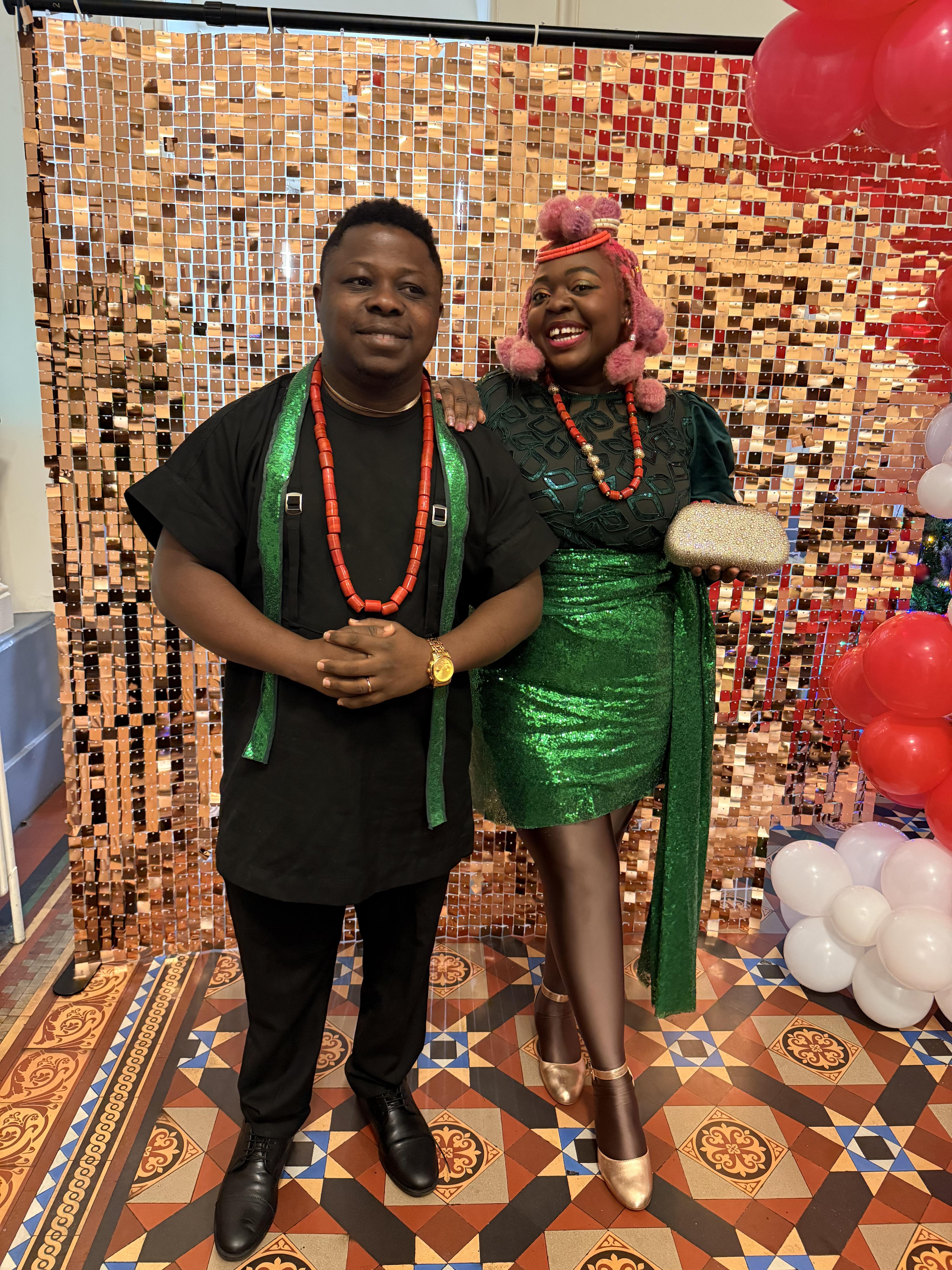
Once you have crafted your brand story, it’s essential to bring it to life through strategic activities. Event-led strategies and inclusive language can play significant roles in this.
Event-Led Engagement Strategies
Events are powerful tools for activating your brand story. They provide opportunities for direct interaction and cultural exchange.
-
Host Cultural Fusion Events: These events celebrate diversity and allow communities to experience your brand story firsthand. Use them as opportunities to showcase your commitment to inclusion.
-
Encourage Participation: Involve local artists, storytellers, or community leaders. Their participation provides authenticity and broadens your event’s appeal.
-
Promote Through Multiple Channels: Use social media, email newsletters, and local partnerships to spread the word. This ensures a wider reach and more diverse attendance.
Events create memorable experiences that leave lasting impressions. They provide tangible proof of your brand’s values and help build strong community ties.
Inclusive Language and Visual Identity
Your brand’s language and visuals should reflect inclusivity. This ensures that your story resonates with diverse audiences.
Adopting inclusive language involves avoiding stereotypes and embracing diverse expressions. This approach ensures that your messaging is open and welcoming. Similarly, use visuals that represent the diversity within your audience. This could include using diverse models in your marketing or showcasing cultural symbols that resonate with your community.
Inclusive language and visuals reinforce your commitment to diversity. They show audiences that your brand values representation and strives for genuine connection.
The longer you wait to adopt inclusive practices, the more you risk alienating potential audiences. By embracing these steps now, you position your brand as a leader in cultural intelligence and community engagement.
Ready to make your event truly inclusive? Book your consultation today.