Most public engagement plans miss the mark when it comes to reaching diverse audiences. You might be pouring time and energy into events that don’t truly connect or reflect your community’s rich cultures. This guide will show you how to plan inclusive events that respect every voice and spark genuine excitement—using practical steps tailored for community engagement UK. Ready to bring your next campaign to life with fresh insight and real impact? For more tips on engaging diverse audiences, check out this guide.
Public Engagement Planning Essentials
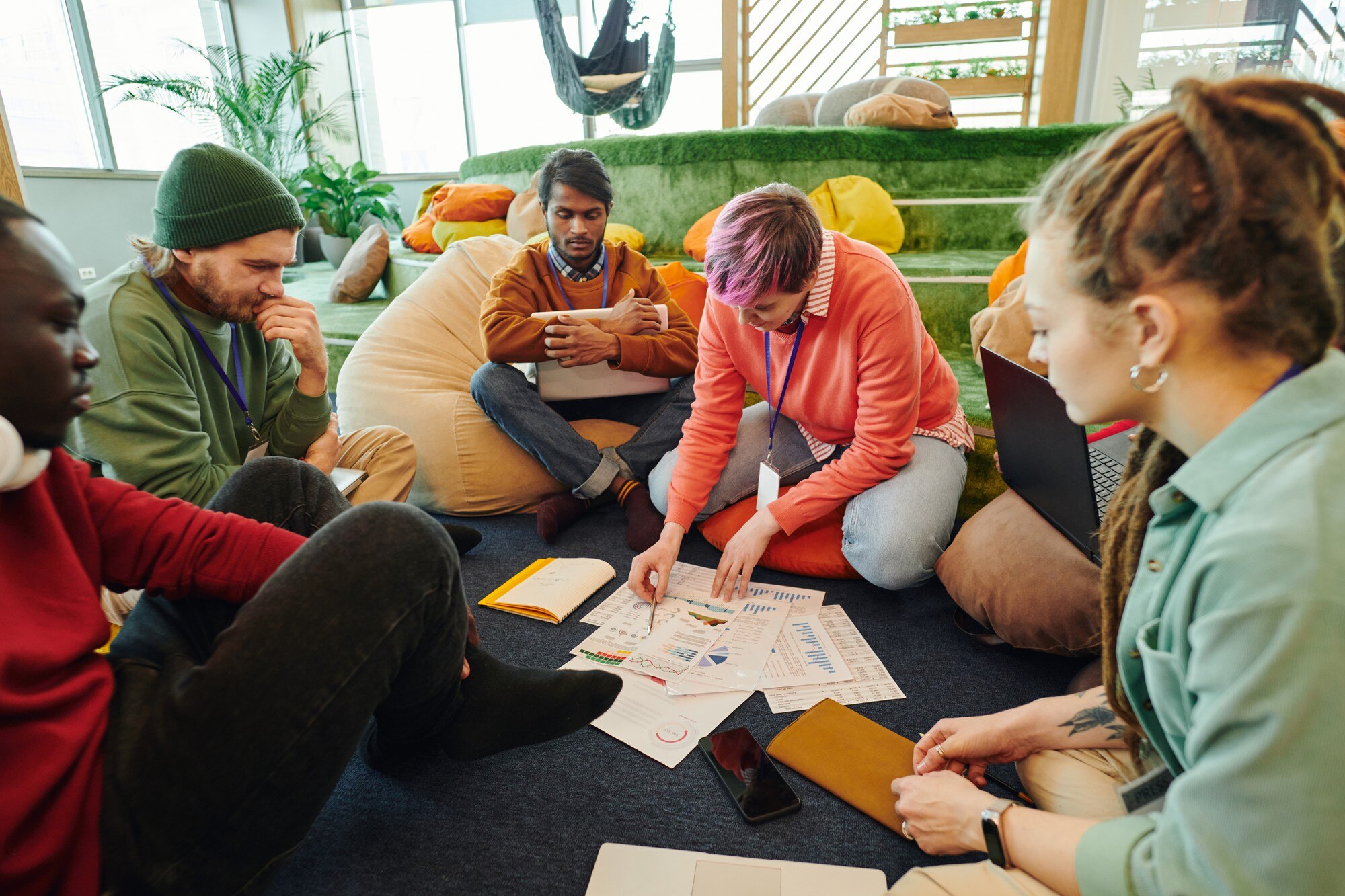
Kickstarting your journey into public engagement requires understanding the essentials. These will serve as your toolkit for crafting experiences that resonate with diverse communities.
Understanding Diverse Audiences
Knowing your audience is the first step in effective engagement. Diverse communities bring unique perspectives and needs to the table. Their stories, traditions, and cultural backgrounds vary widely. By appreciating these differences, you can craft messages that truly resonate. Consider conducting surveys or community interviews to gather insights. This helps in tailoring your approach and ensures your messages hit home.
Each audience member has a unique story. For instance, a local art festival in London might attract young artists eager to learn, while elders might want to share their experiences. Understanding these nuances is crucial. When you address their specific interests, your engagement becomes more meaningful. For further resources, explore the Inclusive Public Engagement Plan.
Key Steps in Stakeholder Mapping
Stakeholder mapping is akin to drawing a map of influence. It’s about identifying who has a stake in your project and how much power they wield. Start by listing everyone involved: community leaders, local businesses, and even sceptics. Rank them based on influence and interest. This prioritisation helps you focus your efforts where they matter most.
Imagine hosting a community clean-up. Local business owners might provide supplies, while the council offers logistical support. Recognising these roles allows for effective collaboration. Pay close attention to those with high influence. Their support can make or break your project. Dive deeper into mapping techniques with this insightful guide.
Importance of Cultural Competence
Cultural competence is your bridge to understanding and respecting differences. It’s about acknowledging various cultural backgrounds and being mindful of them in your engagements. This competence goes beyond language—it’s about body language, traditions, and values. When planning events, consider cultural holidays or dietary preferences.
For instance, a Ramadan-friendly event could offer Iftar meals for participants. Such gestures show respect and inclusivity. By demonstrating cultural awareness, you foster trust and deepen connections. This awareness is not just nice to have—it’s essential. Learn more about embedding cultural competence in your work here.
Crafting Inclusive Events
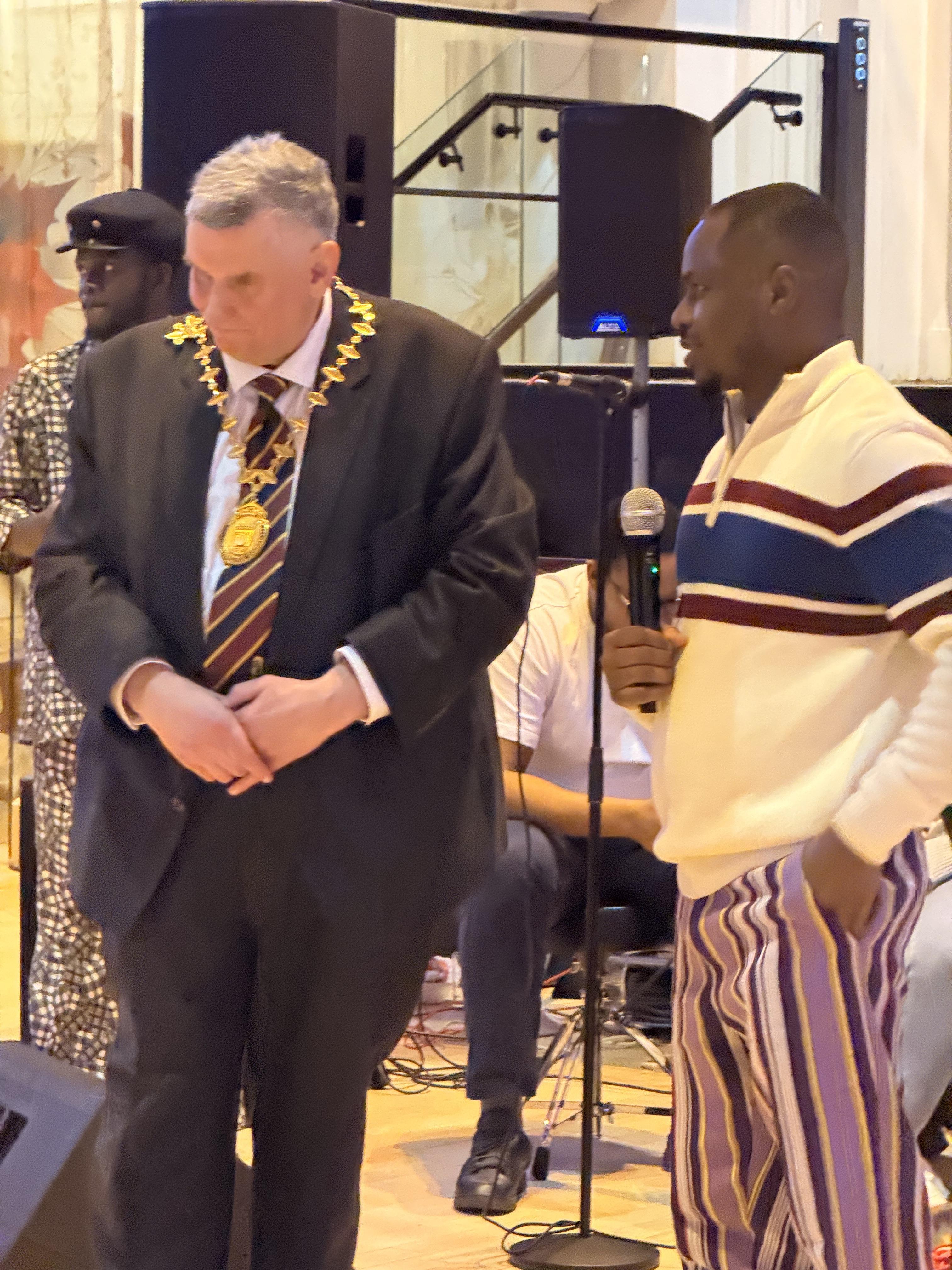
Creating events that welcome and engage everyone is key. These events not only celebrate diversity but also encourage participation from all community sectors.
Accessibility Best Practices
Ensuring accessibility broadens your event’s reach. It’s about making sure everyone, regardless of ability, can participate fully. Start by choosing venues with wheelchair access and providing materials in multiple formats. Consider British Sign Language (BSL) interpreters and Easy Read materials for those with learning difficulties.
Think about the last time you attended an event with poor access. Did you feel included? Accessibility isn’t just a checkbox—it’s about creating genuine inclusion. The longer you wait, the more isolated your audience feels. For more strategies, check this guide on inclusive outreach.
Co-Design Workshops and Their Impact
Co-design workshops are collaborative sessions where stakeholders actively shape outcomes. By involving community members from the start, you ensure their voices guide the process. Invite them to brainstorming sessions and encourage open dialogue. This approach leads to solutions that genuinely reflect community needs.
Consider a neighbourhood park redesign. By asking locals how they use the space, you gather invaluable insights. This input can lead to a park design that fosters community spirit and caters to all ages. Co-design isn’t just about gathering ideas—it’s about creating shared ownership.
Multilingual Communications Strategies
Language shouldn’t be a barrier to engagement. Employing multilingual communications ensures your message reaches everyone. Translate materials and offer interpretation services at events. Understand which languages are prevalent in your community and cater to them.
Imagine a public health seminar with information only in English. Non-English speakers might miss critical information. Providing translations not only informs but also respects cultural diversity. Doing so aligns with the [Equality Act 2010], ensuring equal access to information for all.
Engaging Communities Across the UK
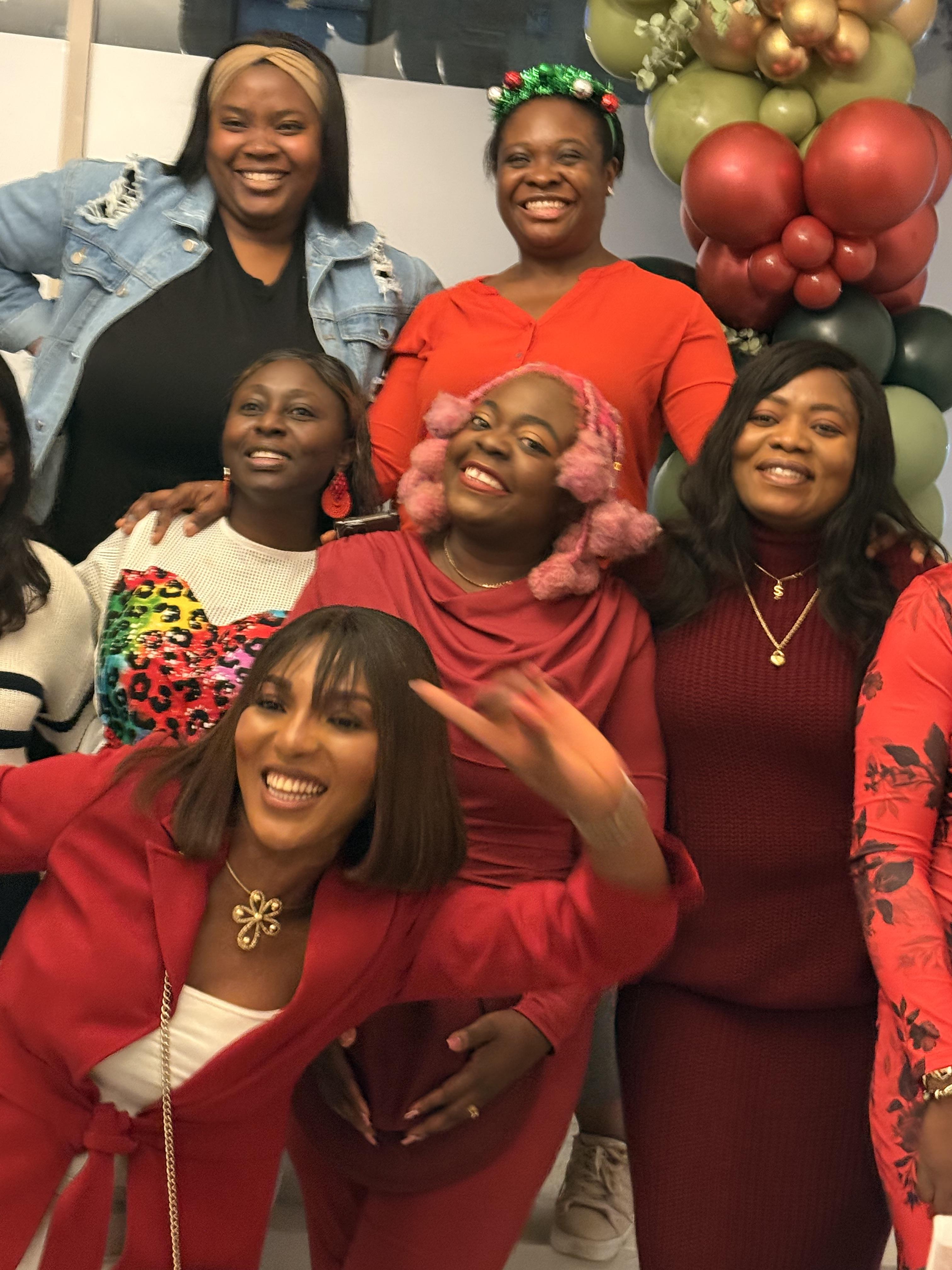
Engagement doesn’t stop at planning events. Building lasting relationships with communities is vital for sustained impact.
Building Community Partnerships
Forming partnerships with local groups amplifies your reach. These collaborations bring together resources, expertise, and networks. Partner with schools, local councils, and cultural organisations. These alliances can lead to shared events or joint initiatives, broadening your impact.
Consider partnering with a local youth centre for an art project. The centre provides space, while you bring in artists and materials. Such partnerships create rich, multifaceted events that engage different community segments. Partnerships aren’t just about resource sharing—they’re about creating a tapestry of community connections.
Youth Engagement Programmes
Engaging youth is crucial for long-term community involvement. Design programmes that resonate with their interests. Offer workshops in digital skills, leadership, or arts. Encourage youth-led initiatives, giving them a voice in community matters.
Think of a youth-led environmental campaign. It not only educates but also empowers young people to make a difference. When youth feel heard, they’re more likely to stay engaged and bring fresh perspectives. For insights on meaningful youth engagement, visit CIC marketing.
Cultural Fusion Event Curation 🎉
Celebrating cultural diversity through cultural fusion events brings communities together. These events highlight the rich tapestry of cultures, fostering understanding and respect. Plan festivals or fairs where different cultures showcase their traditions through food, music, and art.
Picture a summer fair where Scottish folk music meets Caribbean dance. Such events create a vibrant atmosphere, sparking joy and appreciation. They also serve as platforms for sharing stories and building community pride. Embracing cultural diversity isn’t just enriching—it’s essential for community harmony.
By implementing these strategies, you’re not just planning events. You’re building bridges, fostering inclusivity, and creating lasting impact. Embrace these steps to ensure your public engagement efforts truly resonate with diverse audiences.